Failure Prevention
Helps reduce the likelihood of vessel rupture, fire, pressure release, and escalation events.
Safe. Legal. Operational.
Pressure vessels are among the most safety-critical assets in any industrial plant. A failure can result in
catastrophic explosions, fires, and fatalities.
Uniquo's pressure vessel inspection services are conducted by certified inspection engineers who follow the
Indian Boiler Regulations (IBR), ASME Section VIII, API 510, and IS 2825, ensuring your vessels remain safe,
legal, and operational.
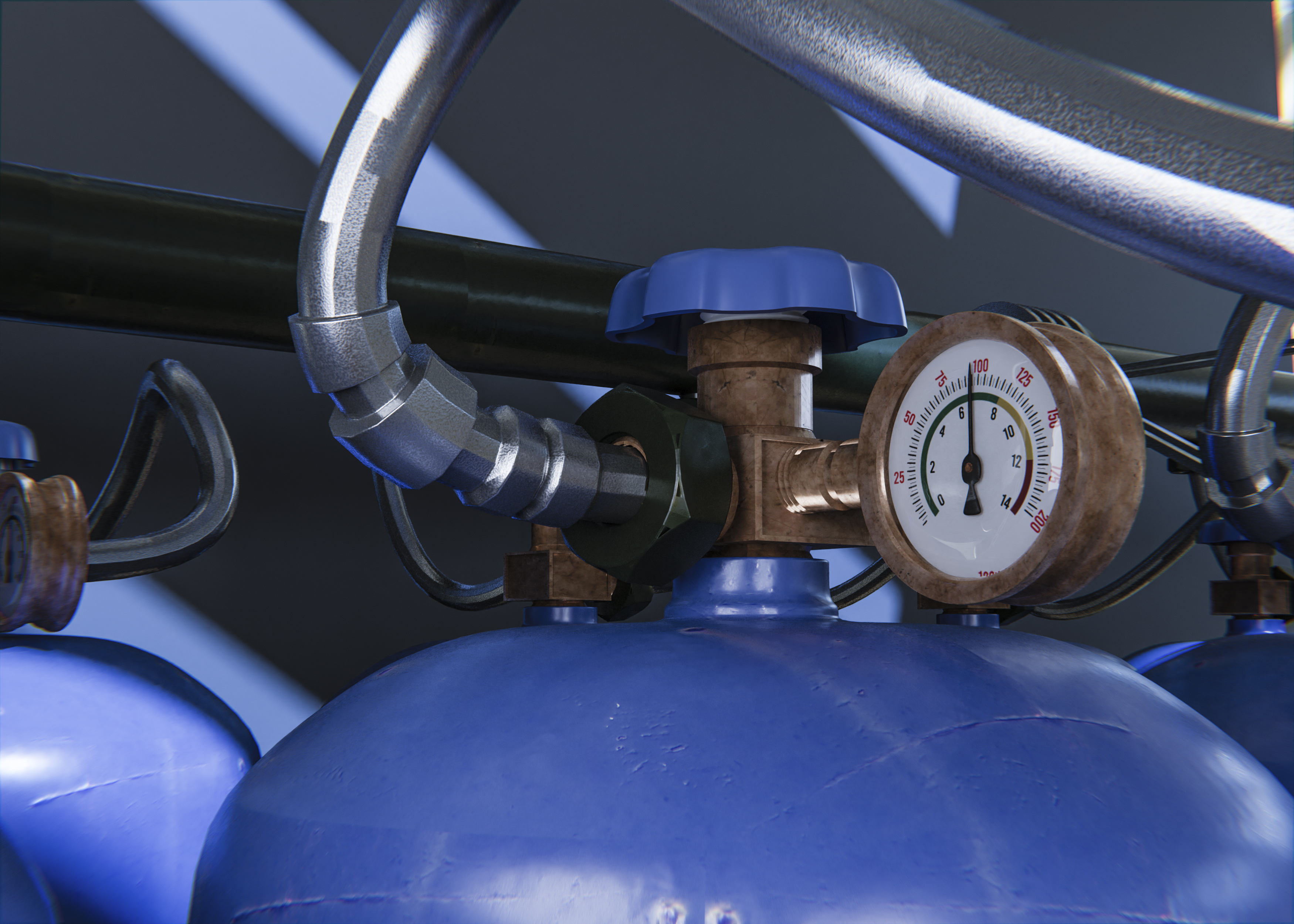
Pressure-containing equipment must be monitored for corrosion, weld condition, wall-loss, structural weakness, and unsafe operating history. Our inspection process is designed to identify integrity risks before they become incidents.
Helps reduce the likelihood of vessel rupture, fire, pressure release, and escalation events.
Supports compliance against Indian and international vessel inspection standards.
Delivers clear findings so maintenance, shutdown, and repair decisions can be taken earlier.
Corrosion, pitting, weld condition.
After vessel entry with permit-to-work controlled access.
Pressure testing to verify containment and operational integrity.
Wall-thickness monitoring for corrosion trend assessment.
Assessment per API 579 for continued safe operation.
Inspection interval and priority planning per API 580/581.
Pre-commissioning inspection before the vessel enters service.
Heat exchangers, LPG bullets, and storage tanks.
Foundational statutory requirements for boiler and pressure equipment compliance in India.
Design and construction rules used as reference for vessel integrity evaluation.
Indian standard for unfired pressure vessels and related engineering assessment criteria.
In-service inspection, repair, alteration, and rerating principles for pressure vessels.
Frameworks for Fitness for Service and Risk-Based Inspection planning.
Applicable controls for LPG bullets, storage systems, and petroleum-related pressure assets.
Connect with UNIQUO for code-aligned vessel inspection, corrosion monitoring, FFS assessment, and RBI-driven planning.