Scope 01
Installed Anchors and Bolts
Chemical resin anchors, expansion anchors, cast-in anchor bolts, and post-installed anchors tested for design load resistance.
Pullout testing, also known as anchor pull-out testing or torque testing, verifies that anchor bolts, chemical anchors, expansion anchors, scaffold tie-backs, soil nails, and rock bolts can withstand the design loads they are specified to resist. Uniquo's certified engineers conduct pullout tests at your project site and provide detailed test reports suitable for structural calculations, regulatory submissions, and insurance requirements.
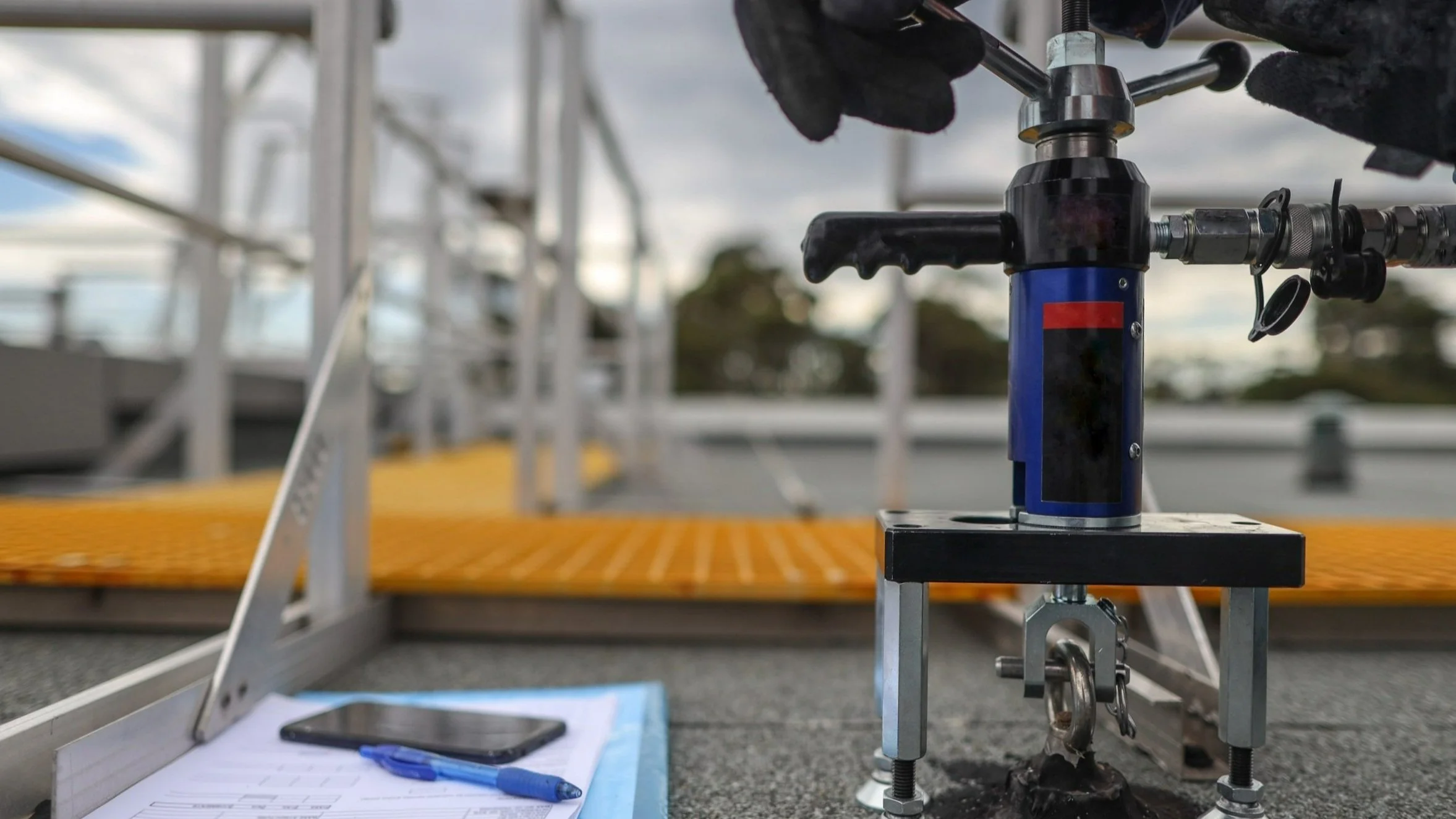
UNIQUO helps project teams verify whether installed anchors and fixing systems can resist the loads assumed in design. Our site-based testing approach supports structural review, scaffold safety, geotechnical restraint systems, and documented proof for consultants, insurers, and regulatory stakeholders.
Our pullout testing scope covers installed anchors and restraint systems used in concrete, masonry, steel, scaffold structures, ground support, and tunnel works.
Chemical resin anchors, expansion anchors, cast-in anchor bolts, and post-installed anchors tested for design load resistance.
Scaffold tie-backs and facade scaffold anchors assessed to confirm reliable restraint under project loading conditions.
Soil nails, ground anchors, and rock bolts in tunnels and slopes tested to support geotechnical stability verification.
Fixings installed into concrete, masonry, and structural steel assessed for pullout resistance and load transfer performance.
UNIQUO's pullout testing reports are structured to help project teams demonstrate installed anchor performance and support design validation, consultant review, statutory submissions, and insurer documentation where proof of resistance is required.
Applied loads, test observations, anchor details, and outcomes are documented in a clear record set for project use.
Reports can be used to support structural calculations, regulatory submissions, and insurance requirements with stronger confidence.